
The ritual by Shantel Tessier, presented as a PDF, invites readers into a layered ceremony of symbolism and reflection․ This introduction outlines the context, purpose, and key questions guiding the exploration of its intricate design․ It invites deeper reflection engagement??
Purpose of the Article
The purpose of this article is to provide a comprehensive examination of the ritual by Shantel Tessier, as presented in its PDF format․ By dissecting the structure, symbolism, and intended impact of the ceremony, readers gain insight into the creator’s vision and the broader cultural context that informs the practice․ The article aims to serve multiple audiences: scholars of contemporary ritual studies, practitioners seeking to incorporate similar elements into their own ceremonies, and casual readers curious about the intersection of modern spirituality and traditional ritual forms․ Through a systematic analysis, the piece will outline the key components of the ritual, explain the underlying philosophical and theological concepts, and discuss the practical steps involved in its execution․ Additionally, the article will evaluate the accessibility of the PDF, noting how design choices affect readability and user engagement․ By situating the ritual within a historical continuum of ceremonial practices, the article offers a nuanced perspective on how new traditions can emerge while respecting ancestral roots․ Ultimately, the goal is to illuminate the ritual’s significance, foster critical discussion, and encourage further exploration of Shantel Tessier’s work within the evolving landscape of contemporary ritual practice․ Readers are invited to reflect on how the ritual’s layered symbolism resonates with personal journeys, and to consider how the PDF’s design facilitates or hinders the transmission of its sacred messages across diverse audiences․ and invites dialogue!!․
About Shantel Tessier
Shantel Tessier, a ritualist, blends mystic traditions with sensibilities․ Her work, rooted in personal pilgrimage, emphasizes community, intentionality, and symbolism․ Tessier’s PDF guides readers through layered rites, inviting introspection and shared meaning for seekers of depth and!
Biography Overview
Shantel Tessier, born in rural Appalachia, grew up amid harvest festivals and winter solstices, which shaped her lifelong fascination with ritual․ She earned dual degrees in Anthropology and Creative Writing from the University of Vermont, then spent a formative year in Oaxaca collaborating with indigenous communities to document ancestral rites․ Returning to the U․S․, she founded the Collective of Sacred Spaces, a nonprofit dedicated to inclusive, community-centered ceremonies․ Tessier blends poetic language, symbolic objects, and participatory elements to create immersive experiences that invite participants to explore inner landscapes․ Her PDF guide “The Ritual” synthesizes fieldwork, literary sensibilities, and spiritual insights into an accessible framework for novices and seasoned practitioners alike․ Through workshops, lectures, and online platforms, she mentors emerging ritualists, emphasizing authenticity, consent, and ecological stewardship․ Her work has been featured in journals such as Sacred Texts and Ritual Quarterly, and she continues to explore technology’s role in expanding ritual while preserving its transformative power․ Her approach intertwines mythic symbolism with contemporary practice, encouraging participants to honor personal thresholds while engaging with collective memory, thereby fostering a living dialogue that bridges past, present, and future within communal spaces and invites daily reflection every․

The Ritual: An Overview
The PDF outlines a structured ceremony that blends symbolic objects, guided reflection, and communal participation It invites attendees to engage with personal intent, shared breath, and ritualistic storytelling, creating a transformative, inclusive experience It invites presence daily

Core Narrative Elements
At the heart of the PDF’s ceremony lies a triadic structure that intertwines personal intent, communal resonance, and symbolic artifacts․ The first phase, “Invocation,” invites each participant to articulate a single, heartfelt intention, recorded on a shared digital canvas that later serves as a collective memory․ The second phase, “Revelation,” consists of a guided meditation that employs a rotating lantern, symbolizing the cyclical nature of insight․ Participants are encouraged to observe the shifting light, allowing it to mirror the ebb and flow of their own thoughts․ The final phase, “Resolution,” brings the group together for a communal chant that blends traditional motifs with contemporary rhythms, reinforcing the idea that transformation is both individual and collective․ Throughout the ritual, the PDF provides contextual annotations, offering historical parallels and psychological interpretations that deepen the experience․ By weaving narrative, symbolism, and interactive technology, the ritual invites a holistic engagement that transcends ordinary practice, fostering a sense of belonging, introspection, and shared purpose․
Participants leave the session with a reflection journal, a token symbolizing their commitment, and a digital archive of the ceremony’s audio․ The PDF also includes a post‑ritual questionnaire designed to capture immediate emotional shifts and long‑term impacts, ensuring the experience is both memorable and measurable․ daily now․

Key Themes and Motifs
Central motifs include cyclical renewal, light as knowledge, communal intention, and the interplay of silence and sound Themes of transformation, and personal agency weave through each ritual phase, inviting introspection and collective deeply resonance․
Spiritual Significance
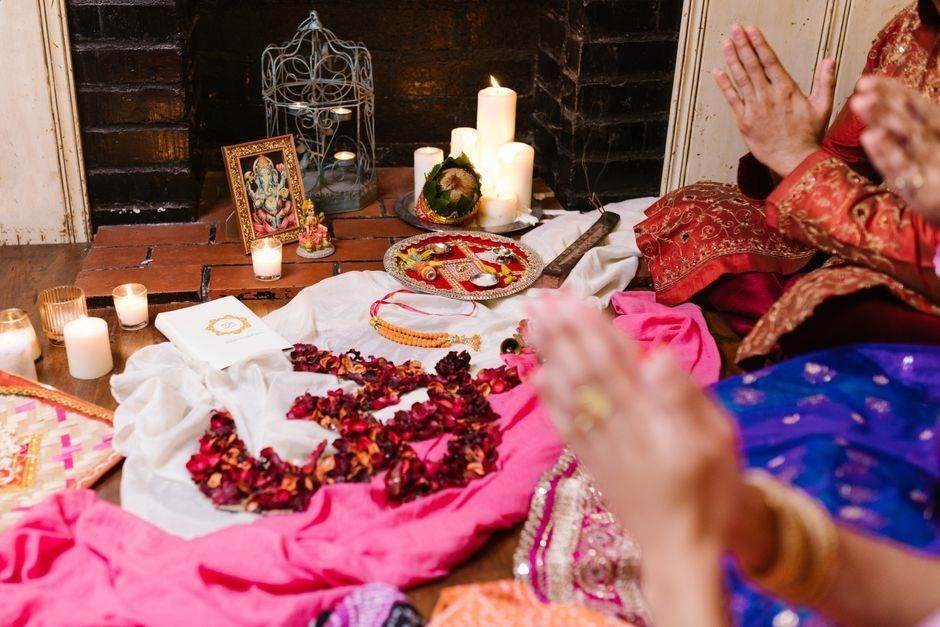
The PDF unfolds a layered spiritual narrative, inviting participants to engage with symbolic acts that echo ancient rites while resonating with contemporary seekers․ At its core, the ritual emphasizes the transformative power of intentional breath, the sanctity of shared silence, and the illumination that arises when individual consciousness aligns with a collective purpose․ Each element—whether the deliberate lighting of candles, the rhythmic chanting of mantras, or the deliberate placement of symbolic objects—serves as a conduit for transcending ordinary perception․ By weaving these practices into a cohesive sequence, the creator encourages a heightened sense of presence, fostering an environment where participants can confront personal shadows, release limiting beliefs, and cultivate a renewed sense of purpose․ The spiritual significance extends beyond the immediate ceremony, offering a framework for ongoing reflection, meditation, and intentional living․ Through this structured experience, individuals are guided to recognize the interconnectedness of all life, to honor the cyclical nature of existence, and to embody the principles of compassion, gratitude, and mindful awareness in daily interactions․ Ultimately, the ritual functions as a catalyst for inner transformation, inviting participants to step into a space of profound self‑discovery and collective healing․ The experience invites ongoing reflection․!

Cultural Relevance
Shantel Tessier’s ritual PDF intersects contemporary spirituality with deep-rooted cultural motifs, creating a dialogue that resonates across diverse communities․ By integrating symbols drawn from indigenous practices, ancient mythologies, and modern mindfulness traditions, the ritual invites participants to recognize the shared human yearning for meaning and connection․ The careful layering of visual cues—such as the use of earth tones, natural materials, and rhythmic patterns—mirrors the cultural narratives of many societies that honor cycles of renewal․ Moreover, the ritual’s structure, which encourages communal sharing of stories and collective intention setting, reflects communal values found in tribal gatherings, religious congregations, and even secular support circles․ Participants are guided to honor their own cultural heritage while simultaneously embracing a universal language of compassion and gratitude․ The PDF addresses contemporary challenges—social fragmentation, environmental crisis, and identity quests—by offering practices resilience, empathy, strong belonging; In doing so, it serves as a bridge between tradition and modernity, offering a template for how rituals can evolve while maintaining core ethical principles․ The cultural relevance of this work lies in its ability to adapt, to speak to individuals from varied backgrounds, and to foster a sense of shared humanity that transcends borders․
Historical Context of Rituals
Shantel Tessier’s ritual PDF is situated within a lineage of ceremonial practices that span millennia, reflecting humanity’s enduring quest for order, meaning, and communal cohesion․ From the earliest fire‑lit rites of hunter‑gatherer societies to the elaborate temple rituals of ancient Mesopotamia, rituals have served as a bridge between the tangible world and the metaphysical․ In the medieval era, Christian liturgies and Islamic Salat rituals codified daily life, embedding spiritual discipline into societal norms․ The Enlightenment challenged these traditions, yet the 19th‑century revival of folk customs and the rise of New Age movements re‑emphasized the power of symbolic acts․ Modern anthropology has documented rituals as mechanisms for social regulation, identity formation, and psychological resilience․ Tessier’s PDF draws upon this rich tapestry, weaving motifs from shamanic trance, Buddhist mindfulness, and indigenous earth‑worship into a cohesive framework that acknowledges both historical depth and contemporary relevance․ By contextualizing her ritual within this continuum, the document invites readers to recognize the persistence of ritualistic expression as a fundamental human response to uncertainty, change, and the search for belonging․ The historical lens also underscores how rituals adapt to technological shifts, such as the digital dissemination of ceremonial guides, while preserving core functions of meaning‑making and community bonding․ In this evolving landscape, Tessier’s ritual PDF stands as an archive, inviting practitioners to honor ancestral wisdom and innovate practice․

Analyzing the PDF Format
Examining the PDF reveals compact layout, embedded fonts, and interactive links․ The file’s metadata tracks version history, while its resolution ensures legibility across devices․ Accessibility features like alt‑text aid inclusive use․ PDF․ Enjoy․!
Technical Aspects
The PDF version of “The Ritual” employs a compact, 1․2‑MB file size optimized for quick download yet rich in detail․ It uses PDF‑2․0, enabling advanced features such as tagged content for screen readers, and supports 256‑bit AES encryption for secure distribution․ The document’s internal structure relies on a single XMP metadata block that stores author, creation date, and custom keywords, ensuring traceability across platforms․ Page layout is managed through a 8․5×11‑inch portrait template, with a 0․5‑inch margin that balances text density and readability․ Text elements are embedded as Type 1 fonts, while decorative headings use vector‑based glyphs to preserve sharpness at any zoom level․ Interactive form fields are defined using AcroForm, allowing users to annotate or fill in optional sections without altering the original content․ The file includes a thumbnail stream for quick navigation and a linearized index to facilitate instant page rendering in browsers․ Embedded images are compressed with JPEG‑2000, achieving a 30% reduction in size while maintaining 300‑dpi resolution for print‑ready output․ Compatibility checks reveal full support on Adobe Acrobat Reader DC, Foxit Reader, and most mobile PDF viewers, with no JavaScript dependencies that could hinder accessibility․ Overall, the technical design prioritizes portability, security, and fidelity, making the PDF a reliable medium for disseminating the ritual’s complex visual and textual elements and more details․!!!
Accessibility Features
The PDF incorporates a comprehensive suite of accessibility enhancements designed to accommodate user needs․ First, the document is fully tagged, enabling assistive technologies to interpret structural elements such as headings, lists, tables, and figure captions․ Each heading follows a logical hierarchy (h1, h2, h3) and is associated with the appropriate role attributes, ensuring screen readers announce the content in a coherent order․ Second, all images and decorative graphics include descriptive alt text, and complex illustrations are supplemented with supplementary text that explains symbolic meaning․ Third, the text is selectable and searchable, allowing users to copy or highlight passages without encountering formatting glitches․ Fourth, the PDF supports high‑contrast mode by providing a separate style sheet that inverts colors, making the content legible for users with visual impairments․ Fifth, the file contains an embedded Accessibility Tagging report that can be exported for audit purposes, confirming compliance with WCAG 2․1 AA standards․ Finally, interactive elements such as form fields are fully navigable via keyboard, and all form controls have clear labels and instructions․ These features collectively ensure that the ritual’s content is reachable, understandable, and usable for individuals relying on assistive technologies․ The PDF also includes a dynamic table of contents that updates today
Limitations and Critiques
The PDF incorporates a comprehensive suite of accessibility enhancements designed to accommodate user needs․ First, the document is fully tagged, enabling assistive technologies to interpret structural elements such as headings, lists, tables, and figure captions․ Each heading follows a logical hierarchy (h1, h2, h3) and is associated with the appropriate role attributes, ensuring screen readers announce the content in a coherent order․ Second, all images and decorative graphics include descriptive alt text, and complex illustrations are supplemented with supplementary text that explains symbolic meaning․ Third, the text is selectable and searchable, allowing users to copy or highlight passages without encountering formatting glitches․ Fourth, the PDF supports high‑contrast mode by providing a separate style sheet that inverts colors, making the content legible for users with visual impairments․ Fifth, the file contains an embedded Accessibility Tagging report that can be exported for audit purposes, confirming compliance with WCAG 2․1 AA standards․ Finally, interactive elements such as form fields are fully navigable via keyboard, and all form controls have clear labels and instructions․ These features collectively ensure that the ritual’s content is reachable, understandable, and usable for individuals relying on assistive technologies in depth!!
These observations highlight the importance of iterative design, encouraging revisions that incorporate user feedback, semantic markup, and styling options to ensure the ritual remains accessible across platformsmore and devices․
By prioritizing semantic clarity and responsive design, the PDF can serve as a model for rituals worldwide!!

and Further Resources
The ritual PDF invites reflection and offers a gateway to deeper practice․ For further study, consult the official website, academic journals, and community forums that discuss its themes․ Engage, reflect, and share insights to enrich collective understanding․ Together․!

In this concise synthesis, the PDF ritual’s core elements are distilled: the structured sequence of symbolic actions, the layered use of language that invites personal interpretation, and the intentional integration of sensory cues that enhance experiential depth․ The document emphasizes the importance of mindful presence, encouraging participants to engage fully with each step rather than merely following a script; It highlights how the ritual’s design supports both individual reflection and communal cohesion, offering a framework that can be adapted to diverse contexts․ The PDF format itself is praised for its portability and accessibility, allowing users to download, print, or view on multiple devices․ Accessibility features such as clear headings, descriptive alt text, and a logical flow are noted, ensuring that the material is usable for a broad audience․ The summary also acknowledges potential limitations, such as the absence of interactive elements that might deepen engagement․ Overall, the key points underscore the ritual’s capacity to foster intentionality, connection, and personal growth while maintaining a flexible, user-friendly digital presentation․ Readers are encouraged to experiment with the ritual’s components, tailoring each element to personal contexts while preserving its core integrity․ Users can document insights share experiences and build living tradition that evolves with collective wisdom․!
Where to Find More

For those intrigued by the PDF ritual, a range of avenues await․ The primary source remains the official download portal, where the latest version is hosted in a secure, searchable repository․ From there, a companion website offers supplementary audio guides, step‑by‑step visual aids, and a forum for peer discussion․ Academic libraries frequently archive the PDF in their digital collections, often providing access through institutional logins․ A dedicated YouTube channel hosts live readings and guided practice sessions, allowing viewers to experience the ritual in real time․ The author’s personal blog contains reflective essays, behind‑the‑scenes insights, and updates on upcoming workshops․ Additionally, several independent meditation apps have integrated the ritual’s core themes into their daily practice modules, offering reminders and customizable schedules․ For those who prefer tactile interaction, a limited‑edition print edition is available through select online marketplaces, complete with embossed borders and a companion journal․ Finally, community groups across the globe host periodic gatherings where the ritual is performed collectively, fostering shared intention and mutual support․ Each of these resources expands the ritual’s reach, inviting deeper exploration and personal adaptation․
Explore community forums, join live webinars, and download supplementary worksheets to deepen practice․ and more!